

Buying your first home in Singapore feels overwhelming when cooling measures keep changing the rules. The government has introduced multiple rounds of restrictions since 2021, and each update affects how much you can borrow, what you can afford, and which properties make sense for your budget.
Singapore’s property cooling measures limit how much first-time buyers can borrow through reduced loan-to-value ratios and Total Debt Servicing Ratio caps. These regulations affect your down payment size, monthly loan repayments, and property choices. Understanding current rules helps you plan your budget, choose between HDB flats and private properties, and time your purchase strategically for better financial outcomes.
What the current cooling measures mean for you
The latest property cooling measures target affordability and market stability. For first-time buyers, three main restrictions shape your purchasing power.
Loan-to-value (LTV) ratios determine how much banks will lend you. HDB flats allow up to 80% financing if you use CPF, meaning you need 20% cash and CPF savings for the down payment. Private properties have stricter limits at 75% LTV for loans under 30 years, dropping to 55% if your loan stretches beyond 30 years.
The Total Debt Servicing Ratio (TDSR) caps your monthly debt repayments at 55% of your gross monthly income. This includes your home loan, car loans, credit card balances, and personal loans. If you earn $5,000 monthly, your total debt payments cannot exceed $2,750.
Additional Buyer’s Stamp Duty (ABSD) affects Singaporeans buying second properties or permanent residents purchasing their first home. As a Singaporean first-timer, you avoid ABSD entirely, giving you a significant advantage.
How much you can actually borrow
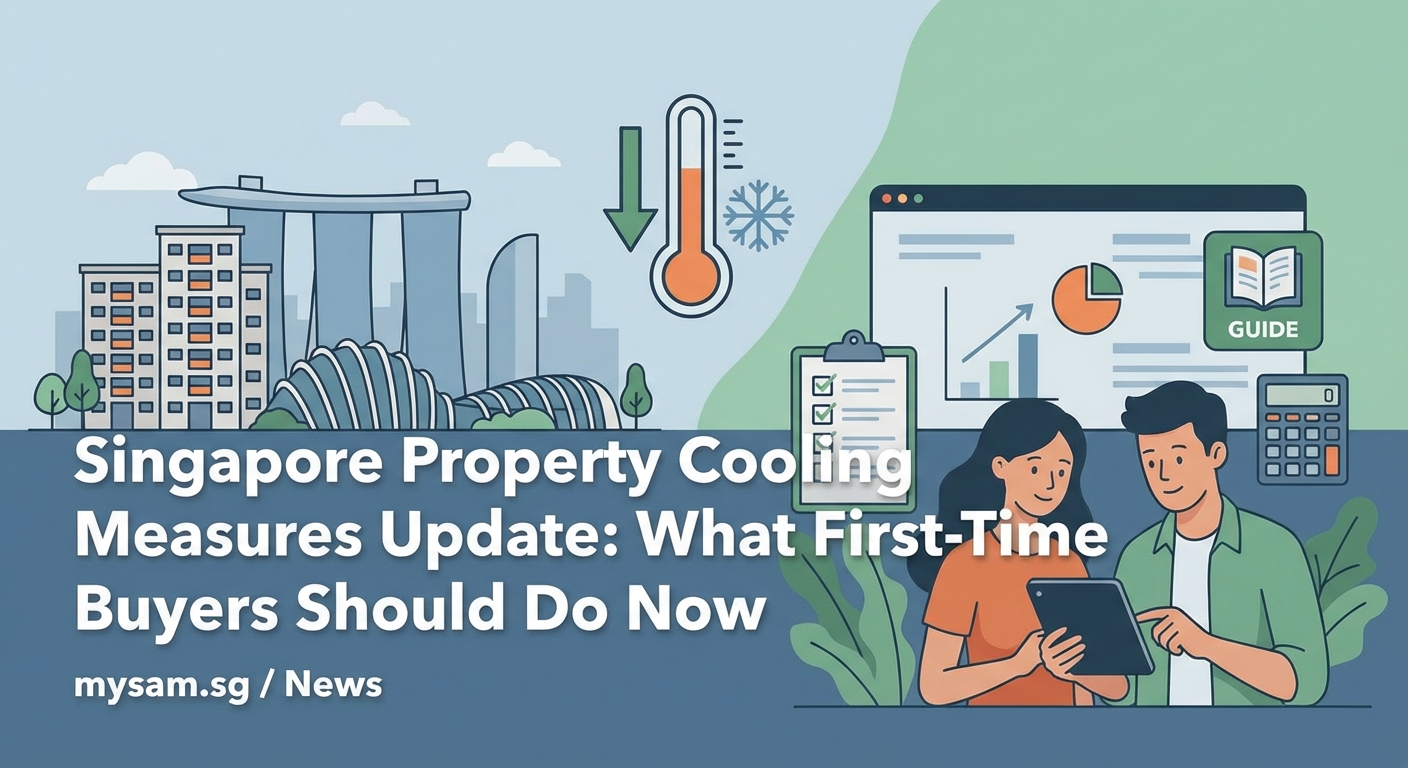
Your borrowing capacity depends on income, existing debts, and loan tenure. Banks calculate affordability differently than you might expect.
Start with your gross monthly income. A single buyer earning $6,000 can service up to $3,300 in monthly debt under the 55% TDSR. If you have a $500 car loan and $200 in minimum credit card payments, you have $2,600 left for housing.
Use the Mortgage Servicing Ratio (MSR) for HDB flats. This rule limits housing loans to 30% of gross income. The same $6,000 earner can only commit $1,800 monthly to their HDB loan, even though TDSR allows more. MSR protects buyers from overcommitting to housing costs.
Interest rates matter enormously. At 3.5% interest over 25 years, a $1,800 monthly payment supports roughly a $380,000 loan. At 4.5%, the same payment only covers $340,000. Rising rates shrink your buying power.
Choosing between HDB and private property
First-time buyers face a fundamental choice: HDB flats or private condos. Each option has distinct advantages under current regulations.
HDB flats offer better financing terms. The 80% LTV ratio means smaller down payments. A $500,000 resale flat needs $100,000 upfront, which you can pay entirely from CPF Ordinary Account savings if you have enough. The MSR at 30% provides clear budgeting boundaries.
Private properties require larger cash outlays. That same $500,000 condo needs $125,000 down at 75% LTV. The first 5% ($25,000) must be cash. The remaining 20% can come from CPF. This cash requirement catches many first-timers off guard.
Consider these factors when deciding:
| Factor | HDB Flat | Private Condo |
|---|---|---|
| Down payment | 20% (can be all CPF) | 25% (5% cash minimum) |
| Loan limit | 80% LTV | 75% LTV (under 30 years) |
| Income ceiling | $14,000 for new flats | No limit |
| Resale restrictions | 5-year minimum occupation | Can sell anytime |
| Maintenance costs | Lower town council fees | Higher condo fees |
Planning your down payment strategy
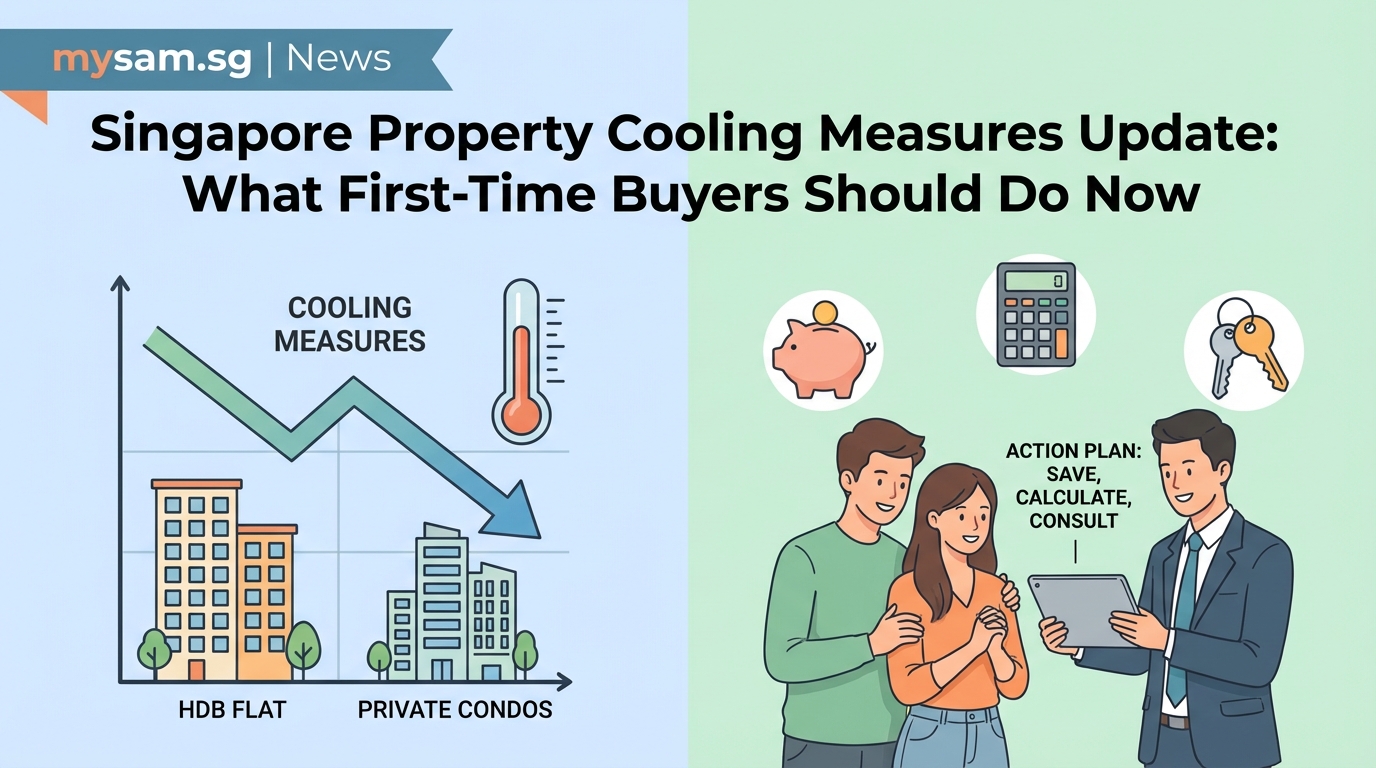
Saving enough for your down payment takes deliberate planning. Most first-timers underestimate how long this takes.
Your CPF Ordinary Account grows through monthly contributions. If you earn $6,000, you receive roughly $1,200 monthly in CPF, with $460 going to your OA. That builds $5,520 yearly, reaching $27,600 after five years without touching other savings.
Cash savings need separate attention. That 5% cash portion for private properties cannot come from CPF. For a $500,000 condo, you need $25,000 in actual savings. Setting aside $500 monthly takes over four years.
Start your property fund the day you decide to buy. Separate accounts help you track progress and resist spending temptation. Automate transfers so savings happen before you see the money.
Consider these steps to accelerate your timeline:
- Open a dedicated savings account for property purchases only
- Set up automatic monthly transfers on payday
- Direct your annual bonus entirely to this fund
- Review and cut one major expense category every quarter
- Use CPF top-ups strategically to maximize OA balance
Understanding the true cost of ownership
Your down payment and monthly loan represent just part of total housing costs. First-time buyers often miss these additional expenses.
Stamp duty adds immediate costs. Buyer’s Stamp Duty follows a tiered structure: 1% on the first $180,000, 2% on the next $180,000, 3% on the next $640,000, and 4% above $1 million. A $500,000 property incurs $12,600 in BSD. You must pay this in cash within 14 days of signing.
Legal fees for conveyancing typically run $2,500 to $3,000. Property valuation costs another $300 to $500. Home insurance, fire insurance, and mortgage insurance add ongoing monthly expenses.
Renovation catches many buyers unprepared. Basic renovations for a resale flat start at $30,000. Condos often cost more due to larger spaces and higher finishing expectations.
Monthly costs extend beyond loan repayments:
- Property tax (varies by annual value)
- Maintenance fees for condos ($200 to $600 monthly)
- Town council fees for HDB ($50 to $100 monthly)
- Utilities (typically $100 to $200)
- Internet and cable services
- Sinking fund contributions for major repairs
Timing your purchase strategically
Market conditions and personal circumstances both affect when you should buy. Waiting for the perfect moment often backfires, but rushing in blindly costs more.
Interest rate cycles impact affordability significantly. When rates rise from 2% to 4%, your monthly payment on a $400,000 loan jumps from $1,700 to $2,100. That $400 monthly difference determines whether you meet TDSR requirements.
Government policy changes happen unpredictably. The 2021 cooling measures surprised many buyers mid-purchase. You cannot time policy shifts, but you can build flexibility into your plans by staying well within borrowing limits rather than maximizing them.
Your career stage matters more than market timing. Buying during probation or before a planned job change creates unnecessary risk. Lenders want to see stable employment. Wait until you pass probation and receive at least one annual increment.
Life milestones affect timing decisions. Getting married soon? Joint income increases borrowing power substantially. Planning children? Factor in reduced income during parental leave and increased expenses.
Common mistakes that cost first-time buyers
Learning from others’ errors saves you money and stress. These mistakes appear repeatedly among new buyers.
Maxing out your borrowing capacity leaves no buffer. If you qualify for $2,600 monthly in housing debt, committing the full amount means any income disruption threatens your home. Target 70% to 80% of maximum capacity instead.
Ignoring interest rate sensitivity creates future problems. Calculate affordability at rates 2% higher than current offers. If you cannot afford payments at 6% when rates sit at 4%, you are overextended.
Skipping property inspections for resale units leads to expensive surprises. That $500 inspection fee might reveal $20,000 in necessary repairs. HDB resale flats need particular attention to remaining lease and renovation restrictions.
Underestimating renovation timelines and costs delays moving in. Budget 20% above contractor quotes. Expect projects to take 30% longer than promised. Plan temporary housing if needed.
Neglecting emergency funds for property ownership creates vulnerability. Aim for six months of expenses including your mortgage payment. Water heaters break. Aircon units fail. Repairs happen when you least expect them.
Making your application stronger
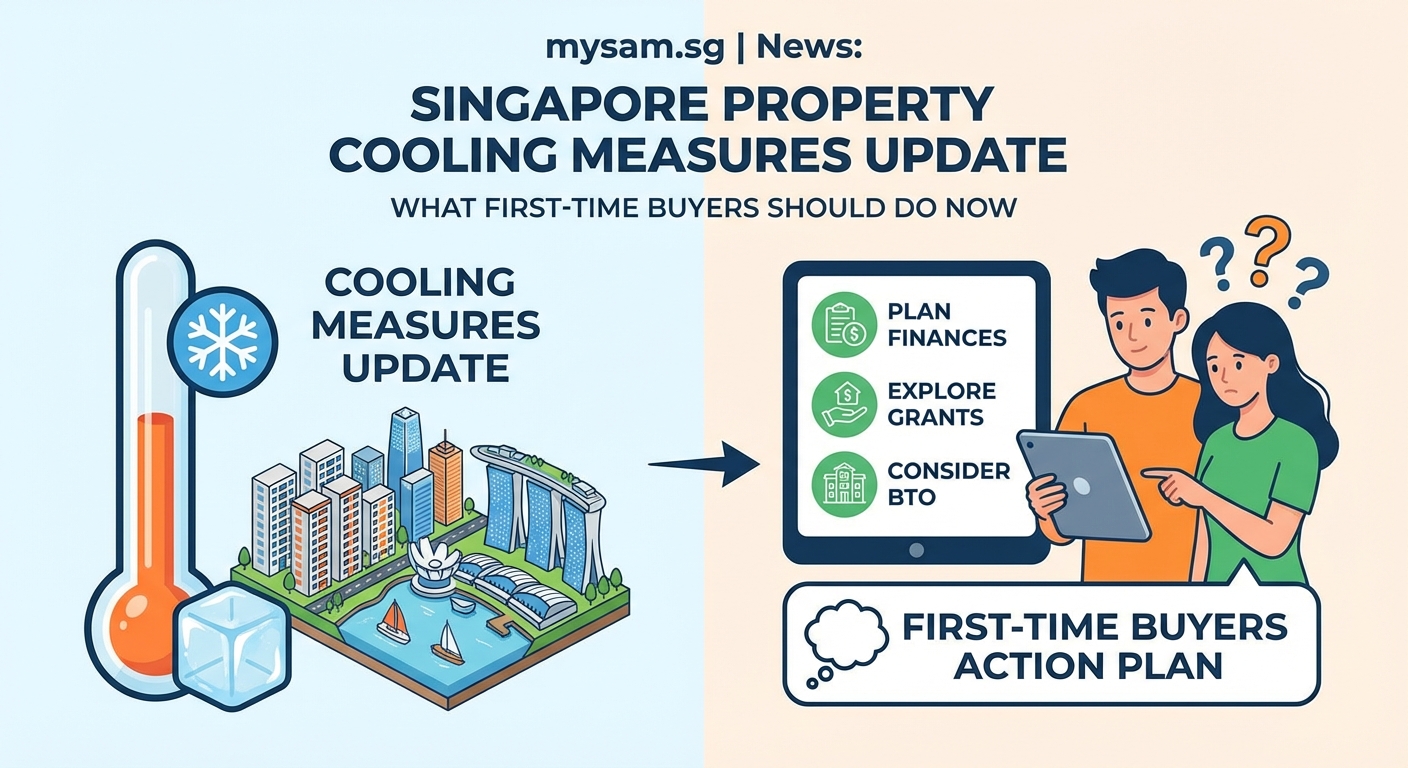
Lenders look beyond income when approving loans. Strengthening your financial profile improves terms and approval odds.
Clean up your credit report before applying. Late payments, high credit utilization, and multiple recent applications hurt your chances. Check your credit score and dispute any errors months before house hunting.
Reduce existing debts aggressively. Paying off that $10,000 personal loan frees up monthly servicing capacity for housing. Clear credit card balances completely. Even small outstanding amounts signal poor money management to conservative lenders.
Stable employment history reassures banks. Two years with the same employer looks better than four jobs in three years, even if your salary grew. Freelancers and commission-based workers face extra scrutiny and should prepare extensive income documentation.
Larger down payments sometimes unlock better rates. If you can stretch to 30% down instead of 25%, some banks offer rate discounts. Run the numbers to see if lower interest over 25 years justifies the larger upfront cost.
Building your property search criteria
Knowing what you can afford helps narrow your search. Clear criteria prevent wasting time on unsuitable properties.
Location determines both price and lifestyle. Properties near MRT stations command premiums but save transport time and costs. Consider your daily commute, proximity to family, and neighborhood amenities.
Remaining lease matters enormously for resale HDB flats. Properties with under 60 years face financing restrictions. Your loan tenure cannot exceed the lease remaining or take you past age 95, whichever is shorter. A 40-year-old buying a flat with 50 years left can only get a 25-year loan, requiring higher monthly payments.
Size needs change over time. That cozy two-room flat works now but feels cramped with children. Three-room flats offer better long-term flexibility. Paying slightly more now beats the transaction costs of upgrading in five years.
These questions guide your search:
- Can I afford this property at 6% interest rates?
- Does the location support my career and lifestyle?
- Will this home suit my needs in 10 years?
- What are the true monthly costs including all fees?
- How much renovation does this property need?
Getting ready to make an offer
Preparation before house hunting saves time and strengthens your negotiating position. Sellers take serious buyers more seriously.
Obtain your HDB Loan Eligibility (HLE) letter or bank Approval in Principle (AIP) before viewing properties. These documents prove you can actually buy, making agents and sellers more responsive. HLE letters stay valid for six months. AIP validity varies by bank but typically lasts 30 days.
Research recent transaction prices in your target neighborhoods. HDB provides transaction data publicly. Private property transactions appear on property portals. Knowing recent sale prices prevents overpaying and identifies negotiation room.
Prepare your paperwork in advance. Gather payslips, CPF statements, tax assessments, and employment letters. Having everything ready speeds up the process once you find the right property.
Visit properties during different times. That quiet condo might sit under a flight path you notice only on weekends. The well-lit flat might face afternoon sun that overheats rooms. Morning and evening visits reveal different characteristics.
Your next steps start now
Property cooling measures create hurdles, but they also protect you from overextending yourself. The restrictions force realistic budgeting that serves your long-term financial health.
Start tracking your finances today. Calculate your true borrowing capacity. Build your down payment fund systematically. Clean up any credit issues. Research neighborhoods that match your budget.
The best time to buy your first home is when you have stable income, adequate savings, and a property that fits your life. Market timing matters less than personal readiness. Focus on what you can control: your savings rate, debt levels, and financial knowledge.
Take the first concrete step this week. Open that dedicated property savings account. Request your credit report. Calculate your actual TDSR capacity. Each small action moves you closer to holding keys to your own home.