
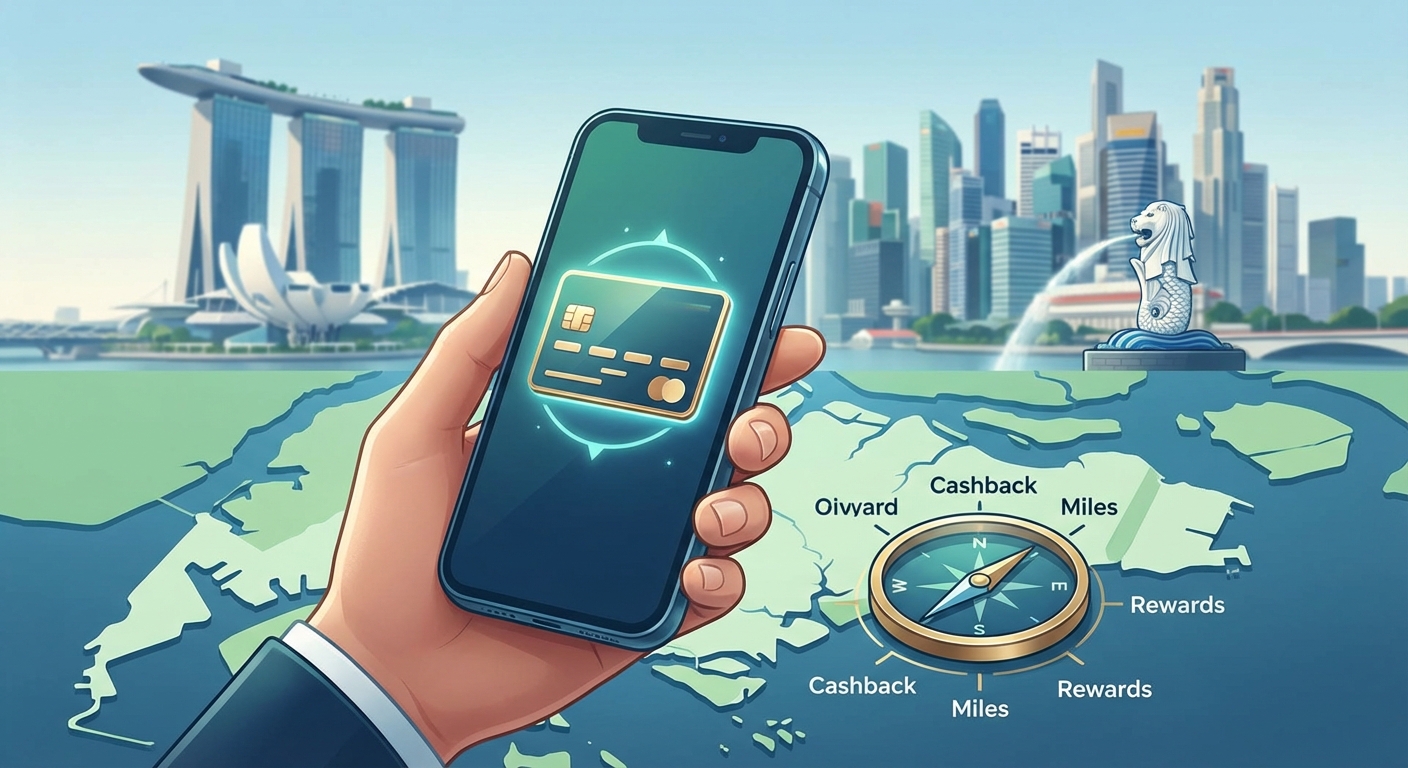
Getting your first credit card feels like a big step. You want the perks, the convenience, and maybe some cashback or air miles. But walk into a bank or browse online, and you’ll face dozens of options, each promising something different.
Here’s the truth: your first credit card doesn’t need to be perfect. It needs to match your spending habits, keep fees low, and help you build good credit without traps. This guide walks you through exactly how to choose your first credit card in Singapore, step by step, so you can apply with confidence.
Choosing your first credit card in Singapore starts with understanding your spending patterns and income level. Focus on cards with no annual fees, simple reward structures, and minimum income requirements you meet. Avoid cards with complex conditions or high spending thresholds. Compare interest rates, approval odds, and whether cashback or miles suit your lifestyle better before applying.
Why your first card matters more than you think
Your first credit card shapes your credit history in Singapore. Banks report your payment behavior to the Credit Bureau Singapore, and that record follows you for years.
Choose poorly, and you might rack up fees you didn’t expect. Or worse, miss payments that hurt your credit score before you’ve even built one.
Choose wisely, and you’ll establish a track record of responsible borrowing. That makes future applications for loans, mortgages, or premium cards much easier.
But here’s the good news: you don’t need a fancy card to start. You need one that fits your current situation and helps you learn the ropes without penalties.
Check if you meet the basic requirements
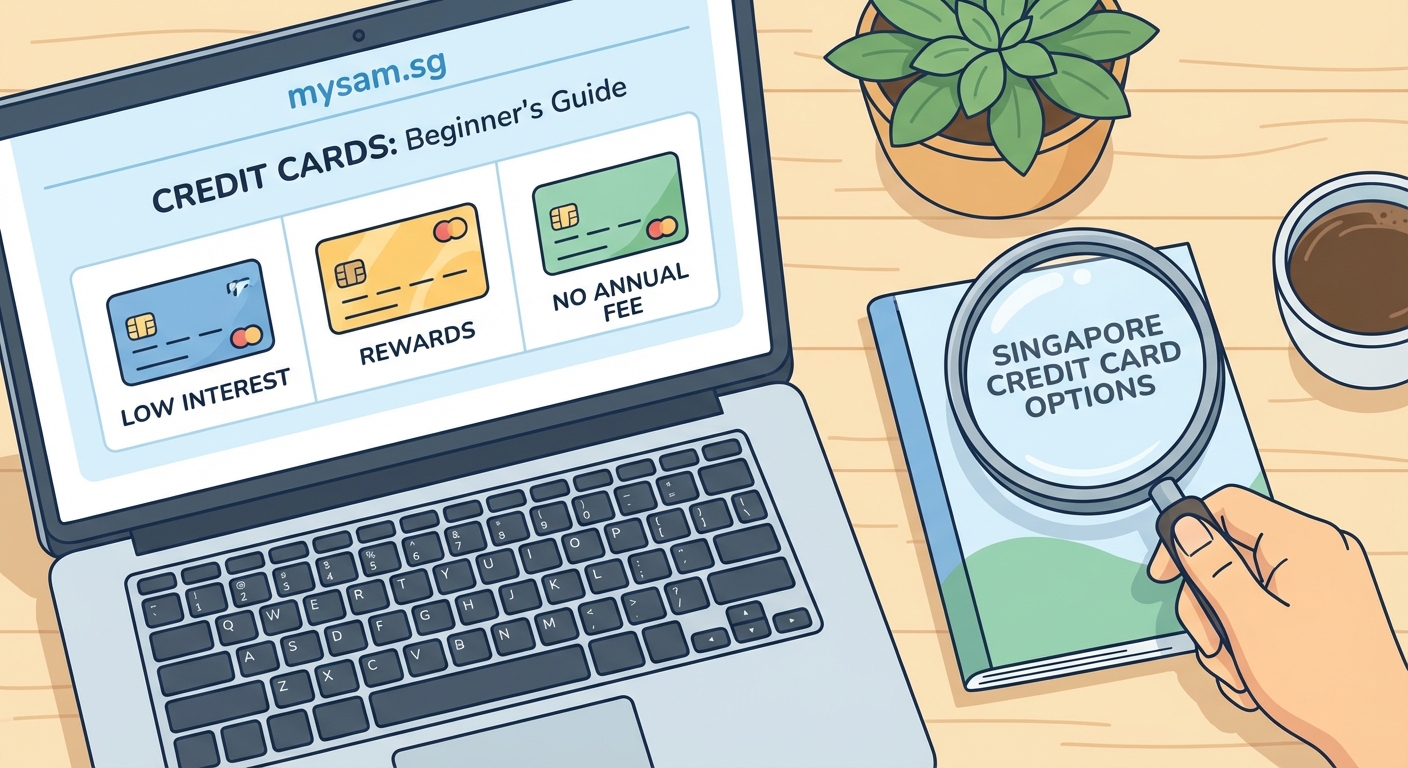
Before you compare cards, make sure you qualify. Most Singapore credit cards require:
- Minimum age of 21 years old
- Minimum annual income, usually between $30,000 and $42,000
- Singaporean citizenship, permanent residency, or valid employment pass
- No recent bankruptcy or serious credit issues
If you’re a student or earn below the minimum, you might still qualify for a supplementary card under a parent’s account. Some banks also offer student credit cards with lower income thresholds.
Don’t apply for multiple cards at once. Each application triggers a credit check, and too many checks in a short period can lower your credit score.
Understand the two main reward types
Credit cards in Singapore typically offer cashback or miles. Your choice depends on how you spend and what you value.
Cashback cards give you a percentage of your spending back as credits or direct deposits. They work well if you want simple, tangible rewards without tracking points or booking flights.
Miles cards earn you air miles for travel redemptions. They suit frequent travelers or people who spend enough to accumulate meaningful miles over time.
For your first card, cashback usually makes more sense. The rewards are straightforward, you don’t need to hit high spending thresholds, and you won’t lose value if you forget to redeem.
Miles cards often require higher income levels and bigger spending to justify the annual fees. Save those for later when you have more experience and higher expenses.
Look for cards with no annual fee
Annual fees range from $0 to over $500. Many entry-level cards waive the fee for the first year, then charge you after that.
For your first card, aim for one with no annual fee at all, or one that waives the fee permanently if you meet a low spending requirement.
Some cards waive the annual fee if you spend just $1,000 or $2,000 per year. That’s easy to hit with regular expenses like groceries, transport, or dining.
Avoid cards that demand $10,000 or more in annual spending to waive the fee. If you don’t meet that threshold, you’ll pay the fee and get poor value.
Compare interest rates and late fees
Credit cards charge interest on unpaid balances. In Singapore, effective interest rates typically range from 25% to 28% per year.
If you plan to pay your balance in full every month, the interest rate won’t matter much. But if you ever carry a balance, even for one month, that interest adds up fast.
Late payment fees also sting. Most banks charge $100 for a missed payment, plus interest on the outstanding amount.
Choose a card from a bank where you already have an account. That makes it easier to set up automatic payments and avoid late fees altogether.
Match the card to your spending habits
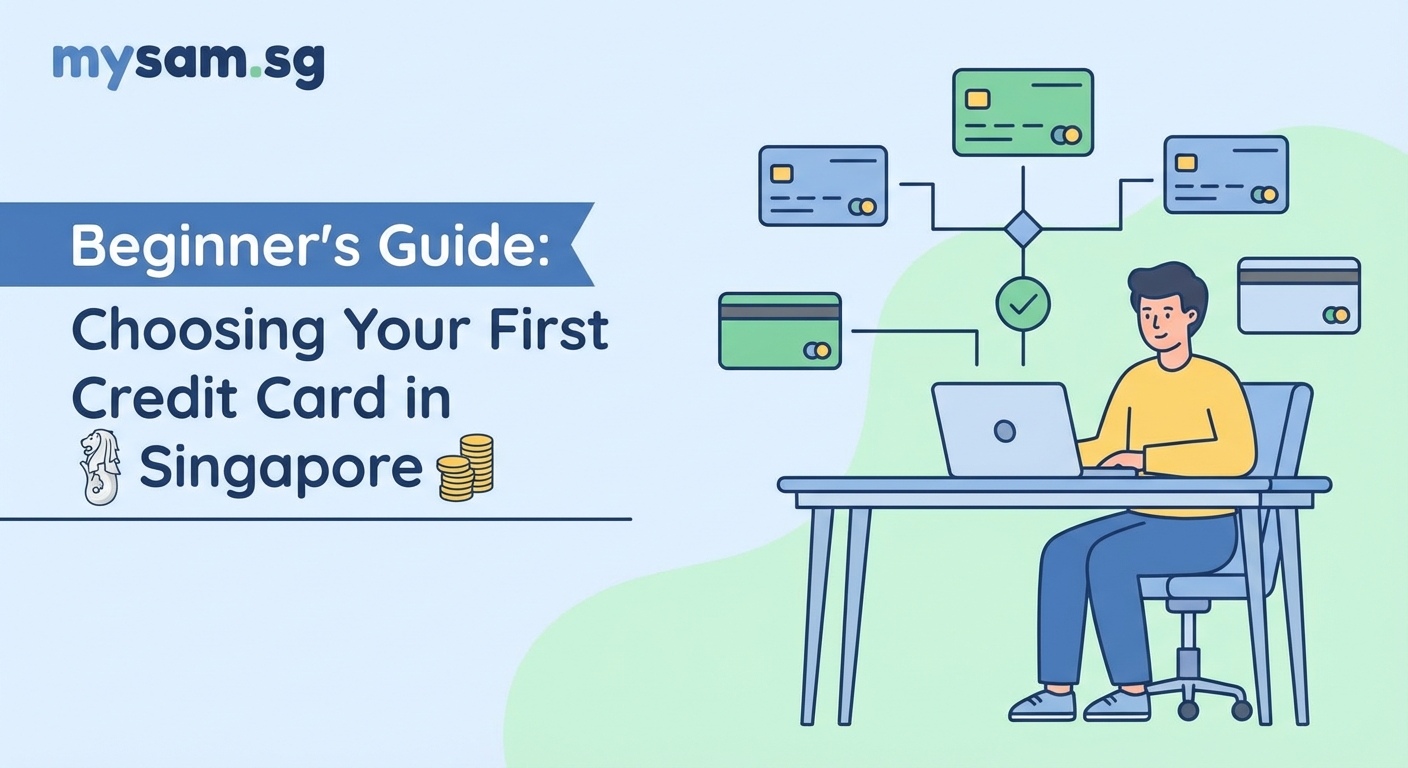
Think about where you spend most of your money each month:
- Groceries and supermarkets
- Dining and food delivery
- Public transport or petrol
- Online shopping
- Bills and utilities
Some cards give higher cashback rates for specific categories. For example, one card might offer 3% cashback on groceries but only 0.3% on everything else.
If you spend $500 a month on groceries, that 3% rate saves you $15 monthly, or $180 a year. That’s real money.
But if the card charges a $150 annual fee and you only spend $200 a month on groceries, the math doesn’t work out.
For your first card, look for one with decent cashback across all categories, even if the rates aren’t the highest. Flexibility matters more than chasing the best rate in one niche.
Avoid cards with complicated conditions
Some cards promise high cashback or bonus miles, but only if you:
- Spend a minimum amount each month
- Register for promotions manually
- Use the card at specific merchants or days
- Cap your rewards at a low threshold
These conditions turn rewards into homework. You’ll spend more time tracking rules than enjoying the benefits.
For your first card, simplicity wins. Choose one where rewards apply automatically, with no caps or monthly registration hassles.
Consider approval odds before applying
Banks approve first-time applicants more easily if you already have a relationship with them. If you have a savings account, salary crediting, or fixed deposit with a bank, apply for their credit card first.
Some banks also target younger applicants with entry-level cards designed for people building credit. These cards have lower income requirements and simpler approval processes.
If you’re unsure, call the bank’s hotline and ask about your chances. They can often tell you if you meet the basic criteria without triggering a formal credit check.
Step-by-step process to choose your first card
- List your top three spending categories and estimate monthly amounts.
- Filter cards that match your income level and residency status.
- Compare annual fees, focusing on cards with $0 or easy waivers.
- Check cashback rates for your top spending categories.
- Read the fine print for caps, conditions, and minimum spending rules.
- Verify if the bank offers online account management and mobile app access.
- Apply for one card only, starting with a bank where you have an existing account.
Common mistakes first-time applicants make
| Mistake | Why it hurts | Better approach |
|---|---|---|
| Applying for multiple cards at once | Triggers multiple credit checks, lowers approval odds | Apply for one card, wait for approval before considering others |
| Choosing cards with high annual fees | Eats into rewards, especially if you don’t spend enough | Start with no-fee cards or those with easy waivers |
| Ignoring minimum spending requirements | Miss out on rewards or pay fees you didn’t expect | Calculate if you naturally meet the threshold each month |
| Focusing only on sign-up bonuses | Bonuses are one-time, ongoing rewards matter more | Prioritize long-term cashback or miles rates |
| Not setting up automatic payments | Risk late fees and interest charges | Link card to bank account and automate full payment |
What to do after you get approved
Once your card arrives, activate it immediately and set up your online banking access. Link it to your mobile banking app so you can check transactions in real time.
Set up automatic payment for the full balance each month. This protects you from late fees and interest charges.
Start small. Use the card for one or two regular expenses like groceries or transport, then pay it off right away. This builds good habits without overwhelming you.
Track your spending for the first three months. Most banks offer spending summaries in their apps. This helps you see if the card’s rewards actually match your habits.
If the card doesn’t work for you after six months, you can always apply for a different one later. But give it time before making changes.
When to consider upgrading or adding a second card
Your first card should serve you well for at least a year. After that, you might want to add a second card if:
- You’ve built a solid payment history with no missed payments
- Your income has increased, opening access to better cards
- You have specific spending categories that would benefit from specialized rewards
- You want to separate personal and business expenses
But don’t rush. Two cards mean double the tracking, double the payment dates, and double the temptation to overspend.
Stick with one card until you’re completely comfortable managing it. Building good credit habits matters more than chasing rewards.
The best credit card for beginners is the one you’ll actually use responsibly. Start simple, pay on time, and let your credit history grow naturally. Fancy rewards can wait.
Your first card is a learning tool, not a status symbol
Choosing your first credit card in Singapore doesn’t require hours of research or complex spreadsheets. You need a card that matches your income, fits your spending, and teaches you how credit works without punishing mistakes.
Focus on low fees, simple rewards, and automatic payments. Avoid cards that demand high spending or complicated conditions. Apply with a bank you already trust, and give yourself time to build confidence.
Your first card won’t be your last. But it will shape how you handle credit for years to come. Choose one that helps you succeed, not one that looks impressive on paper.
Start small, pay in full, and watch your credit history grow. That’s how you turn your first card into a foundation for better financial opportunities down the road.