
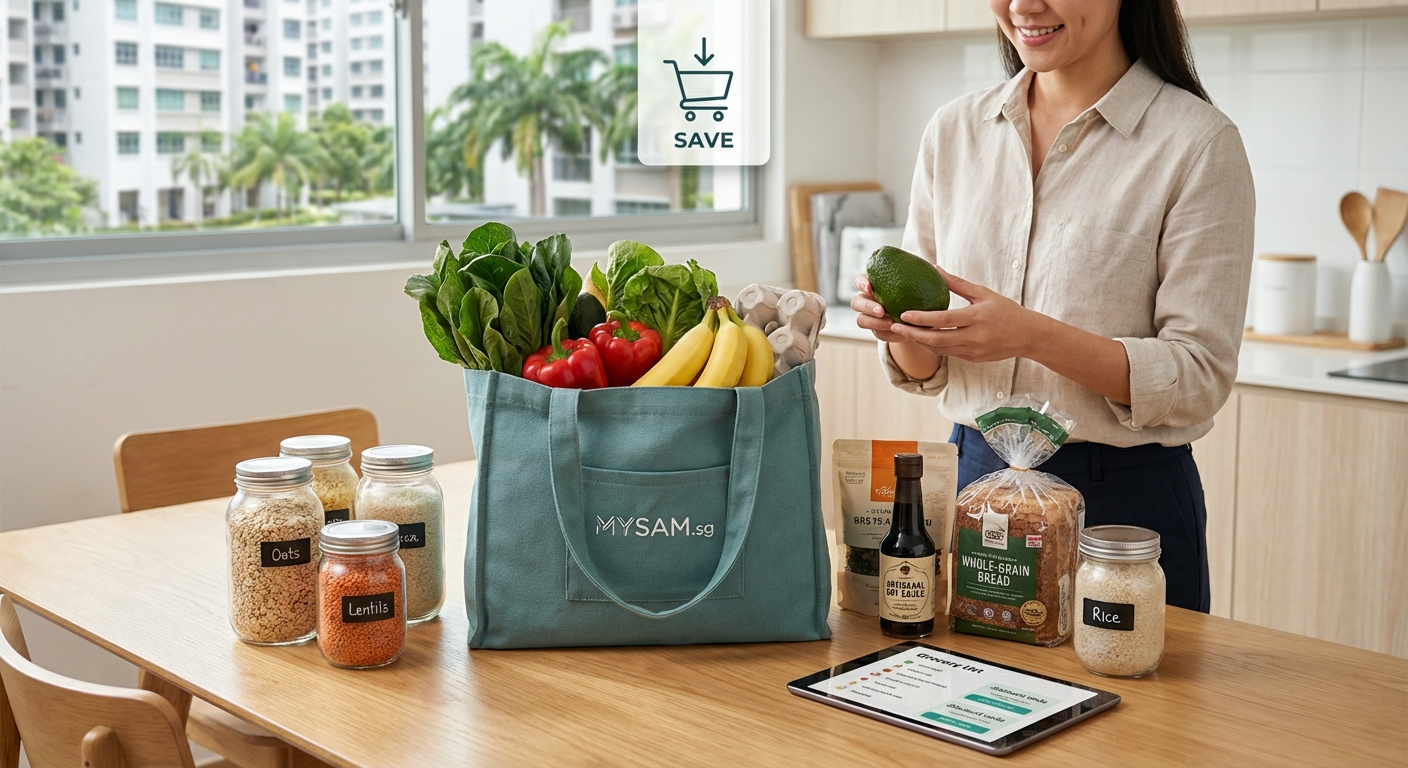
Grocery bills in Singapore can easily spiral out of control if you’re not paying attention. Between rising food costs and the convenience of shopping at premium supermarkets, many households spend far more than necessary on their weekly supplies.
The good news? You can slash your grocery expenses without eating poorly or spending hours hunting for deals.
Singaporean households can reduce grocery spending by 30 to 40 percent through strategic shopping at wet markets and value chains, buying seasonal produce, using cashback credit cards, meal planning to prevent waste, and comparing unit prices. These methods maintain food quality while significantly cutting costs without requiring extreme couponing or sacrificing nutrition standards for your family.
Choose the right stores for different items
Not all grocery stores offer the same value. Shopping smart means knowing where to buy what.
FairPrice and Sheng Siong typically offer better prices on dry goods, canned items, and household staples compared to Cold Storage or Jason’s. But even within budget chains, prices vary by location.
Wet markets and neighbourhood provision shops often beat supermarket prices on fresh produce, especially vegetables and certain fruits. The quality can be just as good, sometimes better because turnover is faster.
For meat and seafood, wet markets usually win on price. You’ll save 20 to 30 percent compared to supermarket counters. The key is going early in the morning for the best selection.
Giant and FairPrice Finest fall somewhere in the middle. They stock more variety than budget chains but cost more. Save these for specialty items you can’t find elsewhere.
Here’s where to shop for maximum savings:
- Fresh vegetables and fruits: wet markets, provision shops
- Rice, noodles, canned goods: Sheng Siong, FairPrice
- Meat and seafood: wet markets (morning hours)
- Dairy and eggs: budget supermarkets during promotions
- Imported specialty items: online retailers like RedMart during sales
Don’t feel obligated to do all your shopping in one place. Splitting your list across two or three stores takes an extra 30 minutes but saves real money.
Time your purchases around promotions and seasons
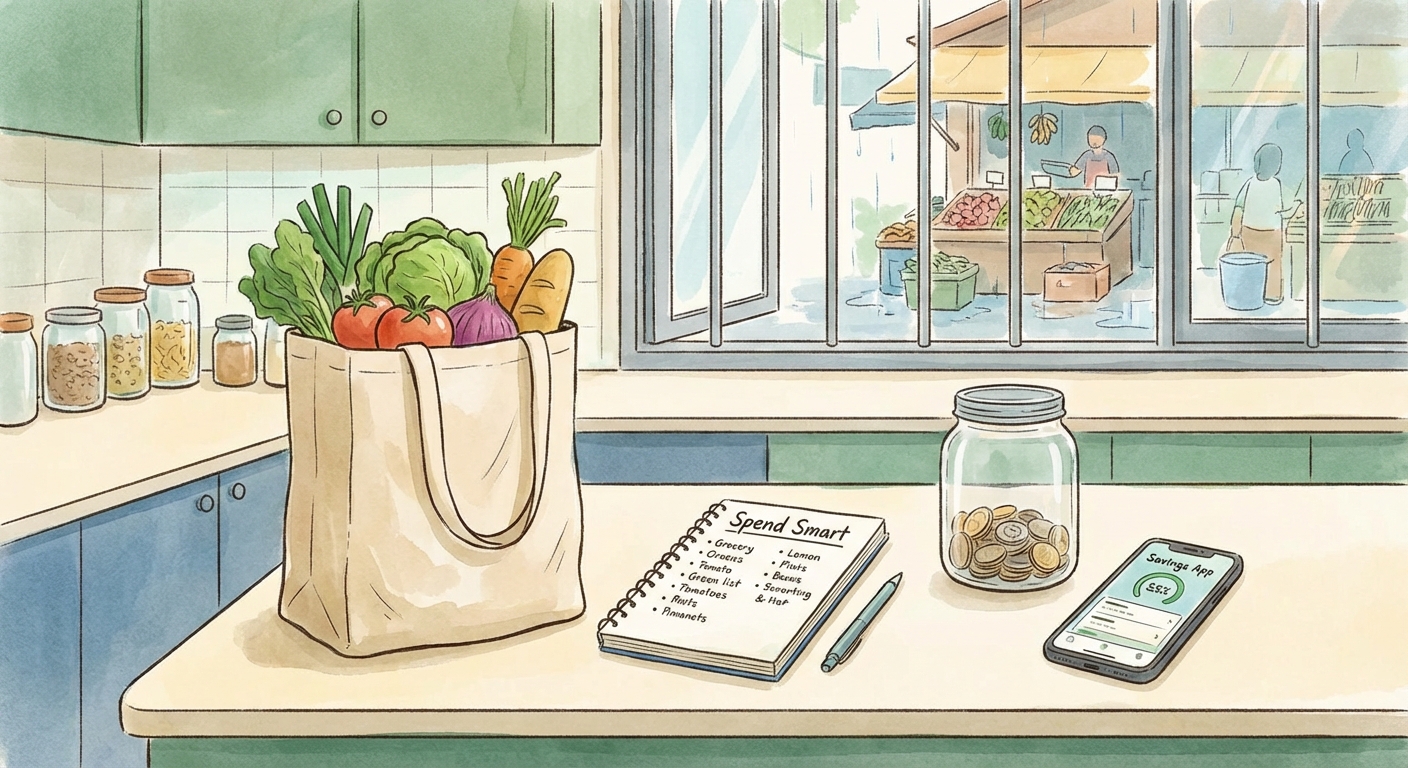
Timing matters more than most people realize.
Supermarkets run predictable promotion cycles. FairPrice typically offers member discounts on Thursdays. Sheng Siong has weekend specials. Cold Storage runs monthly catalogues with deep discounts on select items.
Sign up for store newsletters and apps. You’ll get advance notice of upcoming sales and exclusive app-only deals.
Seasonal produce costs significantly less when it’s abundant. Durians in June and July, mangosteens from May to August, local vegetables during their peak growing seasons. Imported fruits follow opposite hemisphere seasons.
Buy in bulk during promotions only if you’ll actually use everything before it spoils. Rice, cooking oil, and canned goods make sense. Fresh produce rarely does unless you’re freezing it.
Public holidays bring major sales. Chinese New Year, Hari Raya, Deepavali, and Christmas all trigger grocery promotions. Stock up on non-perishables during these periods.
Month-end clearance sales help stores move inventory before new stock arrives. You’ll find markdowns on items nearing expiry dates. These are perfectly safe if you use them within days.
“I save about $80 monthly by shopping wet markets on weekday mornings and hitting supermarket sales for everything else. The quality is identical, sometimes better.” — Sarah Tan, mother of three
Master the art of meal planning
Random grocery shopping leads to waste and overspending.
Plan your meals for the week before you shop. This prevents impulse purchases and ensures you buy only what you need.
Start with what’s already in your fridge and pantry. Build meals around ingredients you already have. This reduces waste and stretches your budget further.
Check store promotions before finalizing your meal plan. If chicken is on sale, plan more chicken dishes that week. Flexibility saves money.
Batch cooking saves both time and money. Cook larger portions and freeze half for later. This works well for curries, stews, and pasta sauces.
Create a standard shopping list template with your regular items. Add weekly variables based on your meal plan. This speeds up shopping and prevents forgotten items that require extra trips.
Here’s a simple weekly planning process:
- Check what ingredients you already have at home
- Browse store apps and websites for current promotions
- Plan five to seven dinners based on sales and existing stock
- Write your shopping list organized by store section
- Stick to the list with minimal deviation
Planning takes 20 minutes but typically saves $40 to $60 weekly for a family of four.
Compare unit prices, not package prices
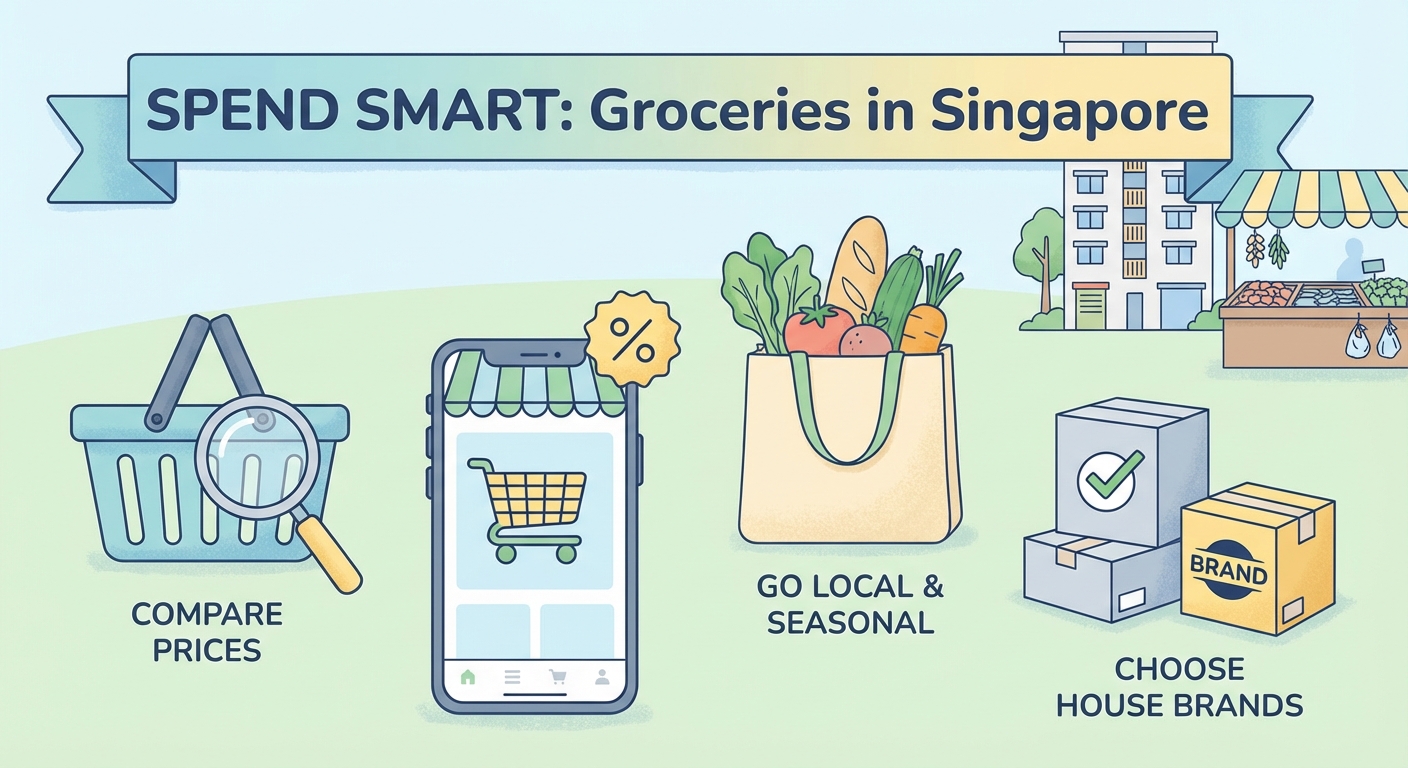
Package size tricks you into thinking you’re getting a better deal.
Always check the unit price, usually displayed on shelf labels as price per 100g or per kilogram. Larger packages often cost more per unit despite appearing cheaper overall.
Supermarkets place expensive items at eye level. Look up and down for better value alternatives.
House brands offer identical quality to name brands for 20 to 40 percent less. Most are manufactured by the same companies that make branded versions.
Pre-cut and pre-washed produce costs significantly more. Buy whole vegetables and fruits, then prep them yourself. A whole cabbage costs half as much per serving as pre-shredded cabbage.
Avoid convenience packaging. Individual yogurt cups, single-serve packets, and pre-portioned snacks all carry premium prices. Buy larger containers and portion them at home.
| Shopping Mistake | Better Alternative | Typical Savings |
|---|---|---|
| Buying pre-cut vegetables | Cutting whole vegetables yourself | 40 to 60 percent |
| Shopping without a list | Using a planned shopping list | 25 to 35 percent |
| Buying only at one supermarket | Splitting purchases across stores | 20 to 30 percent |
| Ignoring unit prices | Comparing price per kilogram | 15 to 25 percent |
| Buying brand names exclusively | Choosing house brands | 20 to 40 percent |
Maximize credit card and loyalty rewards
The right payment method puts money back in your pocket.
Several credit cards offer high cashback rates on grocery spending. UOB One Card gives up to 5 percent cashback on grocery purchases when you meet spending requirements. OCBC 365 Card offers 6 percent on groceries at selected supermarkets.
Stack credit card rewards with store loyalty programs. FairPrice Link points, Sheng Siong rewards, and Giant bonus points all add up over time.
Pay attention to minimum spending requirements. Some cards only give maximum rewards after you hit monthly thresholds across different categories.
Use your rewards strategically. Some loyalty points can be converted to offset grocery bills directly. Others work better for other redemptions.
Digital payment apps like GrabPay and Shopee occasionally offer grocery vouchers and cashback deals. Check before you shop.
Here’s how to maximize rewards:
- Use a high-cashback grocery credit card for all supermarket purchases
- Link your card to store loyalty programs
- Check for bonus point promotions before shopping
- Redeem points for direct bill offsets when possible
- Combine credit card deals with store member discounts
A family spending $800 monthly on groceries can earn $30 to $48 back through optimized card usage alone.
Buy whole ingredients instead of processed foods
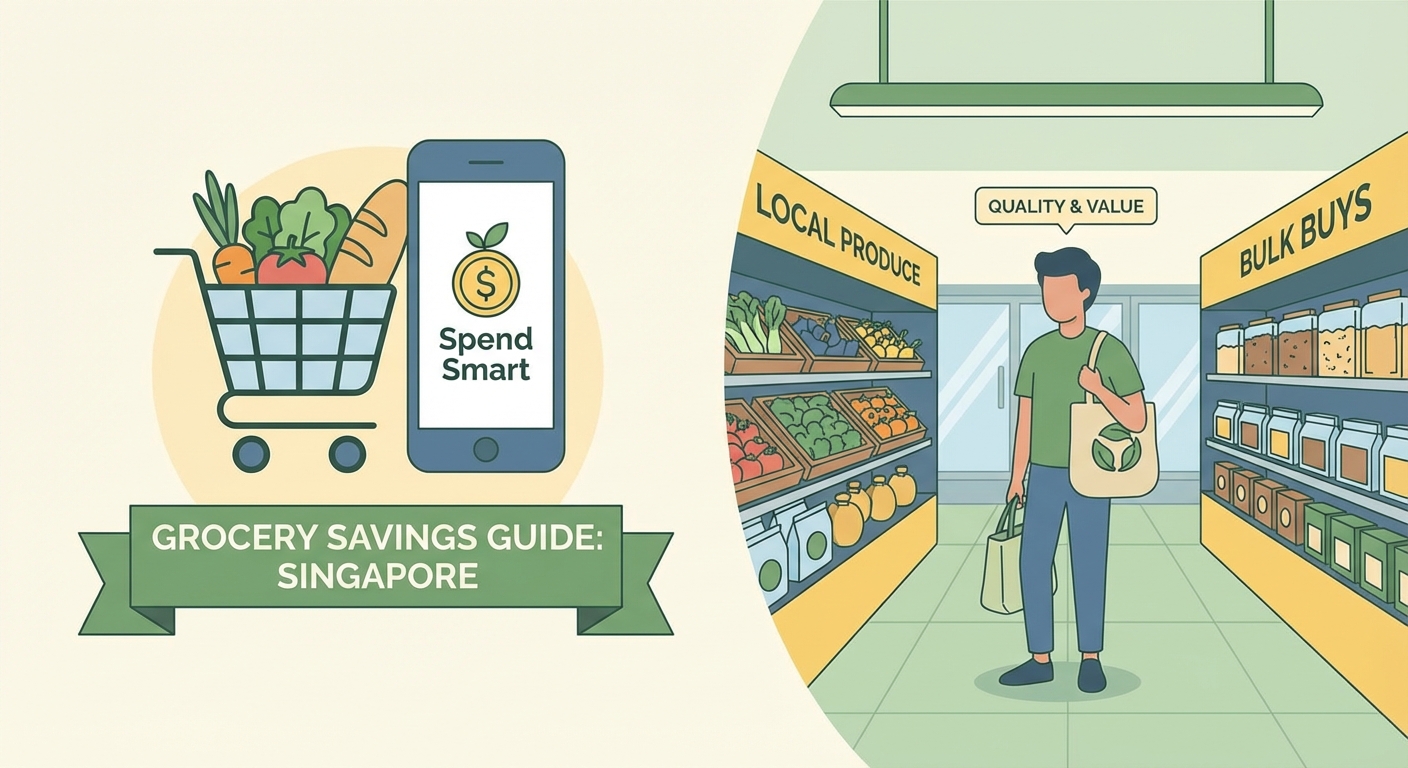
Convenience costs money.
Pre-made meals, ready-to-eat items, and heavily processed foods carry significant markups. You’re paying for labour and packaging, not just ingredients.
Whole chickens cost 30 to 40 percent less per kilogram than chicken breasts. Learning basic butchering saves substantial money. The bones and scraps make excellent stock.
Dried beans, lentils, and grains cost a fraction of their canned or instant equivalents. They require more cooking time but offer better nutrition and value.
Making your own marinades, sauces, and dressings takes minutes and costs pennies compared to bottled versions.
Baking bread at home costs about 60 cents per loaf versus $2 to $5 for store-bought. A basic bread maker pays for itself in six months.
Skip the pre-seasoned and pre-marinated options. Buy plain proteins and season them yourself with spices bought in bulk.
Frozen vegetables offer better value than fresh for items you’ll cook anyway. They’re picked at peak ripeness and frozen immediately, preserving nutrients while costing less.
Reduce food waste systematically
Throwing away spoiled food wastes money directly.
Store produce properly to extend shelf life. Leafy greens last longer wrapped in paper towels inside containers. Herbs stay fresh in glasses of water like flowers.
Use the freezer strategically. Bread freezes well. Overripe bananas become smoothie ingredients. Leftover rice and cooked grains freeze in portions for later.
Practice first-in-first-out rotation. Move older items to the front when unpacking groceries. Use them before newer purchases.
Plan leftover nights into your weekly menu. One dinner each week uses up odds and ends from previous meals.
Learn to distinguish between “best before” and “use by” dates. Best before indicates peak quality, not safety. Many items remain perfectly edible days or weeks past these dates.
Root vegetables last weeks in cool, dark storage. Don’t refrigerate potatoes, onions, or garlic. Keep them in a basket in your pantry instead.
Common waste reduction strategies:
- Freeze bread, herbs, and overripe fruit immediately
- Store vegetables properly to maximize freshness
- Plan specific leftover meals each week
- Buy smaller quantities of perishable items
- Check your fridge before shopping to avoid duplicates
Reducing waste by just 20 percent saves the average household $40 to $60 monthly.
Shop with a full stomach and alone
Psychological factors affect spending more than you think.
Shopping hungry leads to impulse purchases of snacks, ready-to-eat foods, and items you don’t need. Your brain craves immediate gratification when blood sugar drops.
Eat a proper meal before grocery shopping. This simple step reduces impulse spending by 15 to 25 percent according to consumer behaviour research.
Shopping alone keeps you focused. Children and partners often request items outside your budget and plan. If you must bring family, set clear expectations before entering the store.
Stick to your list rigidly. Every unplanned item represents a small budget failure. Allow yourself one or two discretionary purchases maximum.
Avoid browsing. Know your store layout and move efficiently through only the sections you need. More time in store equals more spending.
Use cash instead of cards for better spending awareness. Withdraw your grocery budget in cash and leave cards at home. Physical money makes spending more tangible and painful.
Shopping during off-peak hours reduces stress and impulse purchases. Fewer crowds mean faster shopping and less exposure to temptation.
Buy generic medications and health products
Healthcare and wellness items carry huge markups at supermarkets.
Generic paracetamol costs 80 percent less than branded versions with identical active ingredients. The same applies to antihistamines, antacids, and most over-the-counter medications.
Guardian and Watsons house brands offer quality comparable to premium brands at half the price. Vitamins, supplements, and personal care items all have excellent generic alternatives.
Buy medications and supplements at pharmacies during sales, not supermarkets. Pharmacies run regular promotions with deeper discounts.
Basic first aid supplies cost less at neighbourhood pharmacies than at supermarkets or convenience stores.
Compare active ingredient lists, not brand names. If the active ingredients and concentrations match, the products work identically regardless of packaging.
Start small and track your savings
Don’t try implementing everything at once.
Choose two or three strategies from this guide to start. Master those before adding more.
Track your grocery spending for one month before making changes. This establishes your baseline. Many people have no idea what they actually spend.
After implementing new strategies, track spending for another month. Calculate your actual savings. This reinforces positive behaviour and motivates continued effort.
Use a simple spreadsheet or budgeting app. Record each grocery trip with date, store, and total spent. Review weekly to spot patterns.
Celebrate your wins. When you save $50 in a month, acknowledge it. Transfer that amount to savings or use it for something enjoyable.
Adjust strategies based on what works for your household. Not every tip fits every situation. Keep what saves money without adding stress.
Your grocery budget is controllable
Reducing grocery spending doesn’t require extreme measures or compromising on nutrition.
Small, consistent changes add up significantly over months and years. Shopping smarter at the right stores, timing purchases strategically, and reducing waste can easily cut your grocery bill by a third.
Start with one or two changes this week. Visit a wet market for vegetables. Compare unit prices instead of package prices. Plan three meals before your next shopping trip.
Your family will eat just as well while your bank account grows healthier. That’s money you can redirect toward savings, debt reduction, or experiences that matter more than overpriced groceries.
The strategies in this guide work because they’re practical and sustainable. Pick what fits your life and watch your grocery spending drop month after month.