
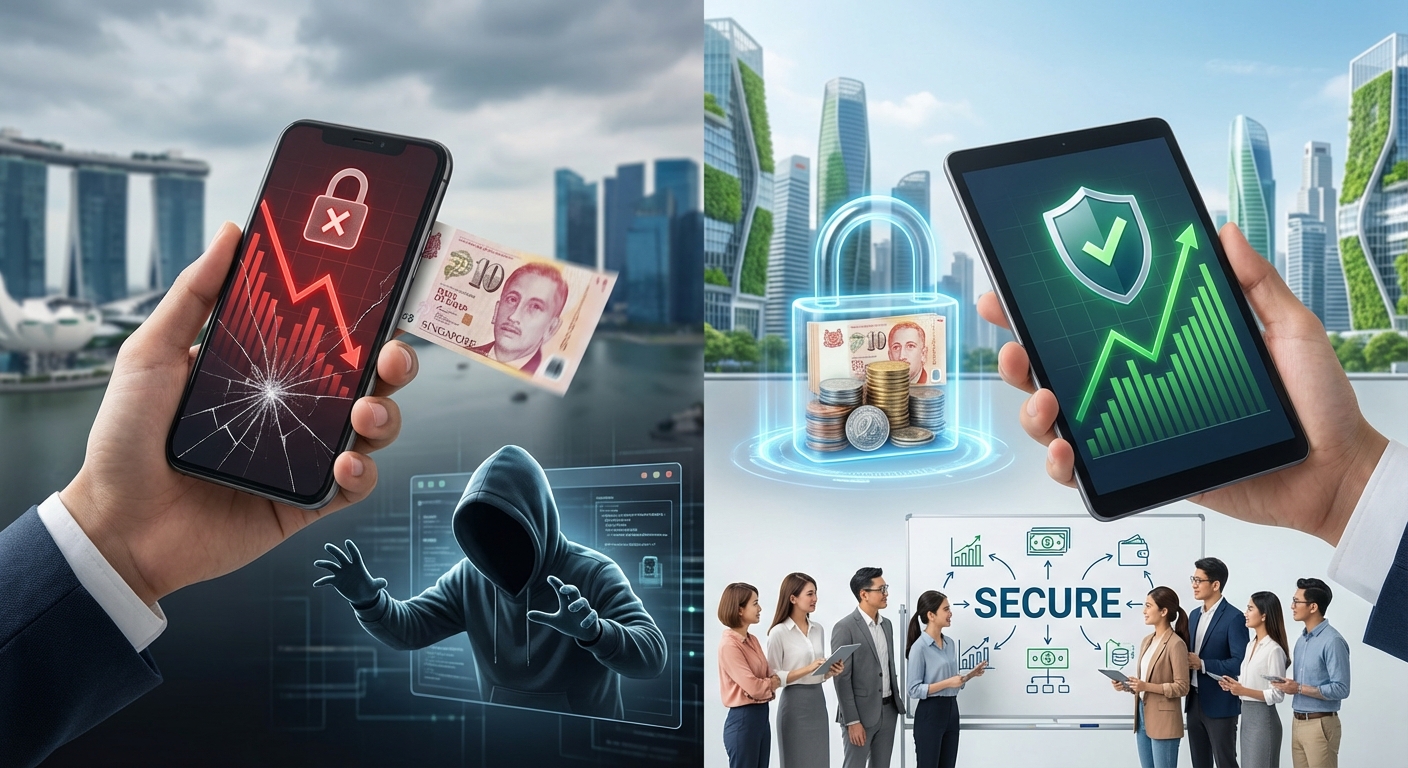
Investment scams in Singapore have cost residents over $660 million in 2023 alone. That’s not a typo. While you’re working hard to build your nest egg, scammers are working just as hard to take it away. The worst part? These fraudsters are getting smarter, using technology and psychology to target even savvy investors.
Investment scams in Singapore are rising due to sophisticated tactics like fake celebrity endorsements, deepfake videos, and cloned banking apps. Protect yourself by verifying licenses through MAS registers, never sharing OTPs, avoiding pressure tactics, and reporting suspicious schemes to the police or ScamShield. Understanding common red flags can save your life savings from fraudsters.
Why investment scams are exploding in Singapore
The numbers tell a sobering story. According to the Singapore Police Force, investment scam cases jumped by 30% from 2022 to 2023. But why now?
Technology has armed scammers with powerful tools. Deepfake videos make it look like trusted figures are endorsing bogus schemes. AI chatbots can hold convincing conversations. Fake apps mirror legitimate banking platforms down to the last pixel.
Social media amplifies their reach. A single Facebook ad can target thousands of Singaporeans based on age, income, and interests. Scammers know you’re looking for ways to beat inflation and grow your CPF savings faster.
The pandemic changed how we invest too. More people started trading online without face-to-face verification. That digital distance gives fraudsters room to operate.
Economic uncertainty makes people vulnerable. When inflation eats into your purchasing power and property prices soar, promises of 20% monthly returns start sounding attractive. Fear and greed are powerful motivators.
Common types of investment scams targeting Singaporeans
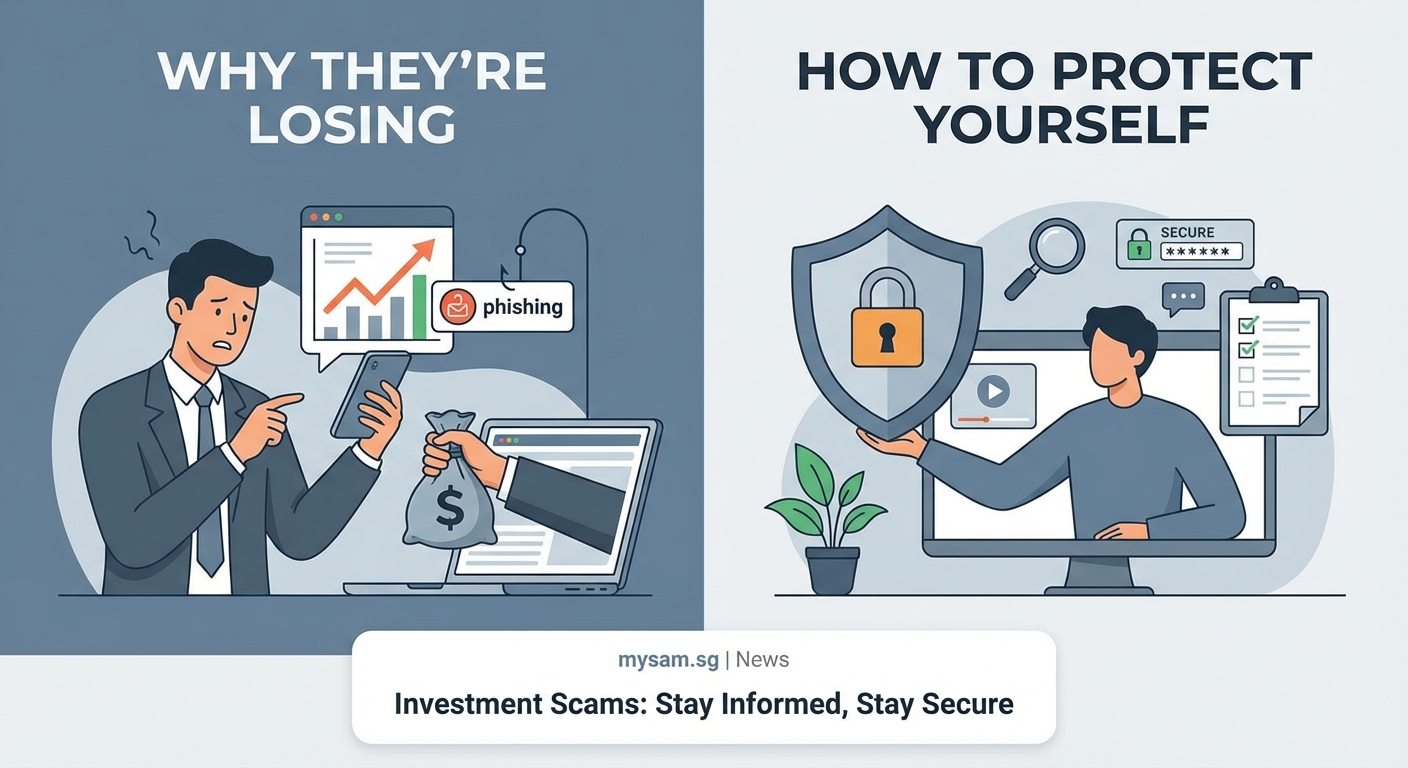
Understanding the landscape helps you spot danger before it’s too late.
Ponzi schemes promise consistent high returns with little risk. Early investors get paid using money from new investors, not actual profits. The scheme collapses when recruitment slows. Recent cases in Singapore have used cryptocurrency and forex trading as cover stories.
Fake trading platforms look legitimate but are completely fabricated. You deposit money, see your account balance grow on screen, then find you can’t withdraw anything. The platform disappears overnight.
Impersonation scams involve fraudsters posing as bank officials, MAS officers, or investment advisors. They use spoofed phone numbers and official-looking documents. Some even arrange meetings in legitimate office buildings they don’t actually work in.
Celebrity endorsement scams use deepfake technology or stolen images to make it appear that public figures endorse investment opportunities. No verification happens because the celebrity never actually participated.
Romance investment scams combine emotional manipulation with financial fraud. Scammers build relationships over months before introducing investment opportunities. Victims lose both money and trust.
| Scam Type | Average Loss | Warning Sign | Verification Method |
|---|---|---|---|
| Ponzi Scheme | $50,000 – $200,000 | Guaranteed high returns | Check MAS register for license |
| Fake Platform | $30,000 – $150,000 | Withdrawal delays or fees | Search company on MAS Investor Alert List |
| Impersonation | $20,000 – $100,000 | Unsolicited contact | Call official number independently |
| Celebrity Scam | $10,000 – $80,000 | Social media ads only | No legitimate investment uses only ads |
| Romance Scam | $40,000 – $300,000 | Never met in person | Anyone asking for investment money is suspicious |
Red flags that scream scam
Your instincts are valuable. These warning signs should make you stop immediately.
Guaranteed returns don’t exist. Any investment promising consistent profits regardless of market conditions is lying. Even government bonds fluctuate.
Pressure tactics mean trouble. Scammers create artificial urgency with phrases like “limited spots available” or “offer expires today.” Legitimate investments don’t expire in 24 hours.
Requests for secrecy are major red flags. If someone tells you not to tell family, friends, or financial advisors, they’re isolating you deliberately. Real opportunities welcome due diligence.
Unlicensed operators are illegal. Anyone offering investment services in Singapore must be licensed by the Monetary Authority of Singapore. No exceptions.
Requests for unusual payment methods signal danger. Cryptocurrency transfers, gift cards, or cash deposits are hard to trace and recover. Licensed firms use proper banking channels.
Communication only through messaging apps is suspicious. WhatsApp, Telegram, and WeChat are fine for casual chat, but professional firms use official email domains and phone systems.
Unrealistic testimonials should raise eyebrows. Photos of luxury cars, stacks of cash, and anonymous success stories are easy to fake. Ask for verifiable references.
“The most effective scams exploit both greed and fear. They promise extraordinary gains while creating urgency that prevents careful thinking. Taking 48 hours to research any opportunity is the best protection you have.” – Financial educator speaking to ScamAlert Singapore
How to verify if an investment is legitimate

Don’t rely on materials the promoter gives you. Do your own homework.
-
Check the MAS Financial Institutions Directory at mas.gov.sg. Search for the company name and the individual’s name. Licensed entities appear in this official register.
-
Search the MAS Investor Alert List for companies under investigation or known to be operating illegally. This list updates regularly with new warnings.
-
Look up the company on ACRA (Accounting and Corporate Regulatory Authority). Verify registration details, directors, and filing history. Recent incorporation with minimal capital is suspicious.
-
Google the company name plus “scam” or “review.” Look beyond the first page of results. Check forums and complaint sites. Scammers often create fake positive reviews that dominate early results.
-
Ask specific questions about the investment strategy. How exactly does it generate returns? What are the risks? Where is your money held? Vague answers are warning signs.
-
Request audited financial statements. Legitimate investment firms provide these. Excuses about confidentiality don’t hold water.
-
Consult a licensed financial advisor independently. Pay for an hour of their time to review the opportunity. This small cost can save you thousands.
What to do if you’ve been approached
Stay calm and follow these steps to protect yourself.
Never share these details:
– One-time passwords (OTP) from your bank
– Full credit card numbers or CVV codes
– Internet banking login credentials
– Singpass password or 2FA codes
– Copies of your NRIC (front and back)
Stop all communication with the person immediately if they ask for any of the above. No legitimate investment requires this information.
Take screenshots of all conversations, advertisements, and websites. These become evidence if you need to file a police report. Include URLs, phone numbers, and account names.
Report the approach even if you didn’t lose money. File a report at police.gov.sg/iwitness or call 1800-255-0000. Your report helps prevent others from becoming victims.
Install ScamShield on your phone. This free app blocks known scam calls and messages. It’s developed by the National Crime Prevention Council and the Singapore Police Force.
Tell someone you trust. Scammers rely on victims staying silent. Talking about it helps you process what happened and warns your network.
Protecting your money going forward
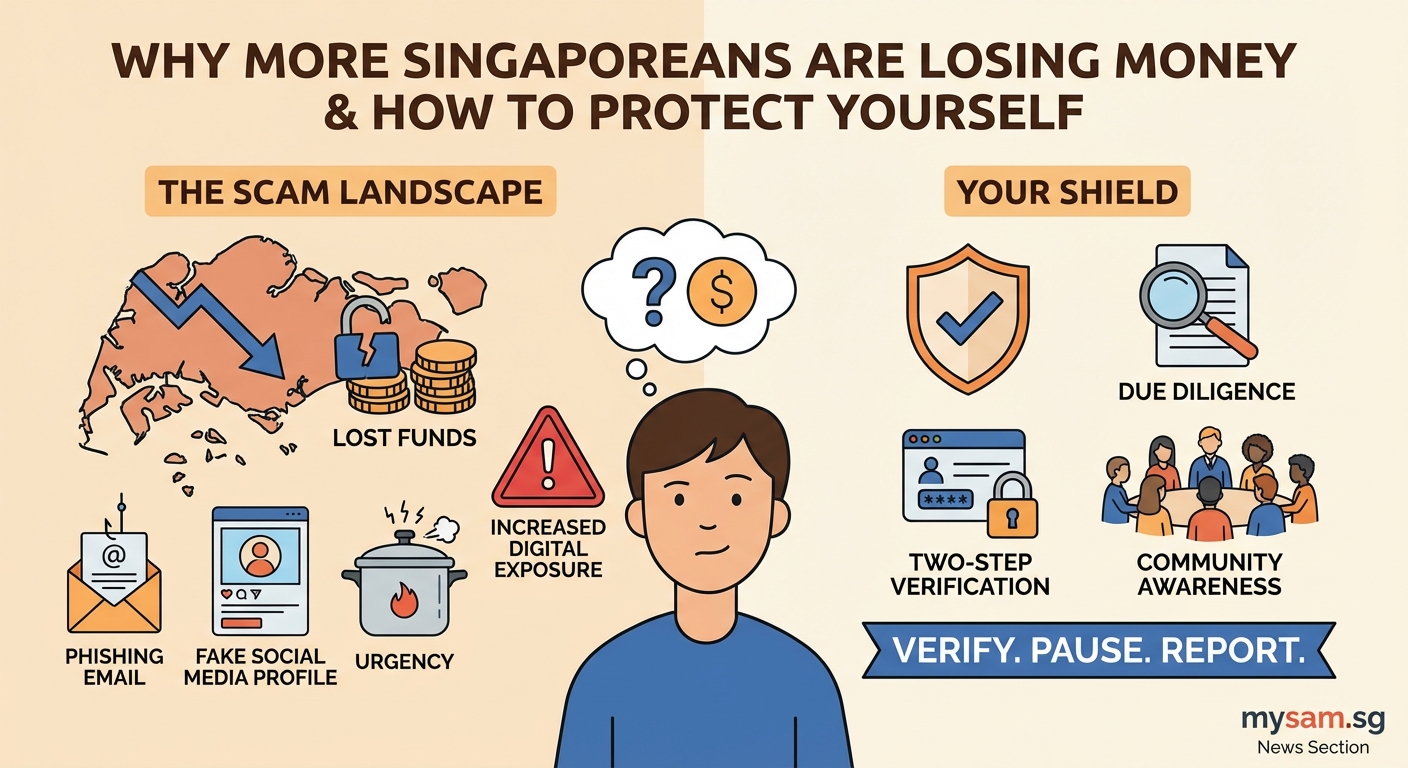
Prevention beats recovery every time. Build these habits into your financial life.
Enable transaction notifications for all bank accounts and credit cards. Immediate alerts let you catch unauthorized activity within minutes instead of weeks.
Use separate email addresses for financial accounts. Don’t use the same email for shopping, social media, and banking. This limits exposure if one account gets compromised.
Set up two-factor authentication everywhere it’s available. Yes, it’s slightly less convenient. It’s also dramatically more secure.
Review your bank statements monthly. Don’t just check the balance. Look at individual transactions. Small unauthorized charges often test the waters before larger theft.
Limit what you share on social media. Scammers build profiles based on your posts about income, spending habits, and life events. Private accounts help, but assume anything posted could become public.
Create a personal investment policy. Write down your risk tolerance, return expectations, and decision-making process. When someone pitches an opportunity that doesn’t fit, you have a clear reason to decline.
Build an emergency fund before investing. Having three to six months of expenses saved reduces desperation that makes risky schemes attractive. You can afford to be patient.
If you’ve already lost money to a scam
Time matters. Act immediately to minimize damage and start recovery.
Contact your bank right away. If the transfer just happened, they might be able to freeze or recall it. Call the hotline, don’t just send a message through the app.
File a police report within 24 hours. Visit a neighborhood police center or use the online system. Bring all evidence: messages, transaction records, contracts, and screenshots.
Report to the Anti-Scam Centre at 1800-722-6688. They coordinate with banks and can sometimes prevent money from leaving Singapore.
Notify the platform where you met the scammer. Facebook, Instagram, and dating apps have reporting mechanisms. Your report helps them shut down the account.
Check if your case qualifies for the Shared Responsibility Framework. Since December 2023, banks may reimburse victims of certain scams if proper security measures were in place. Not all cases qualify, but it’s worth checking.
Consider engaging a lawyer if the amount is substantial. Some law firms specialize in fraud recovery and can advise on civil action options.
Get emotional support. Scam victims often experience shame, depression, and anxiety. The Samaritans of Singapore (1800-221-4444) provides confidential support. There’s no shame in being targeted by professional criminals.
Don’t fall for recovery scams. After losing money, you might be contacted by people claiming they can recover your funds for an upfront fee. This is another scam. Legitimate recovery doesn’t require payment before results.
Teaching others to stay safe
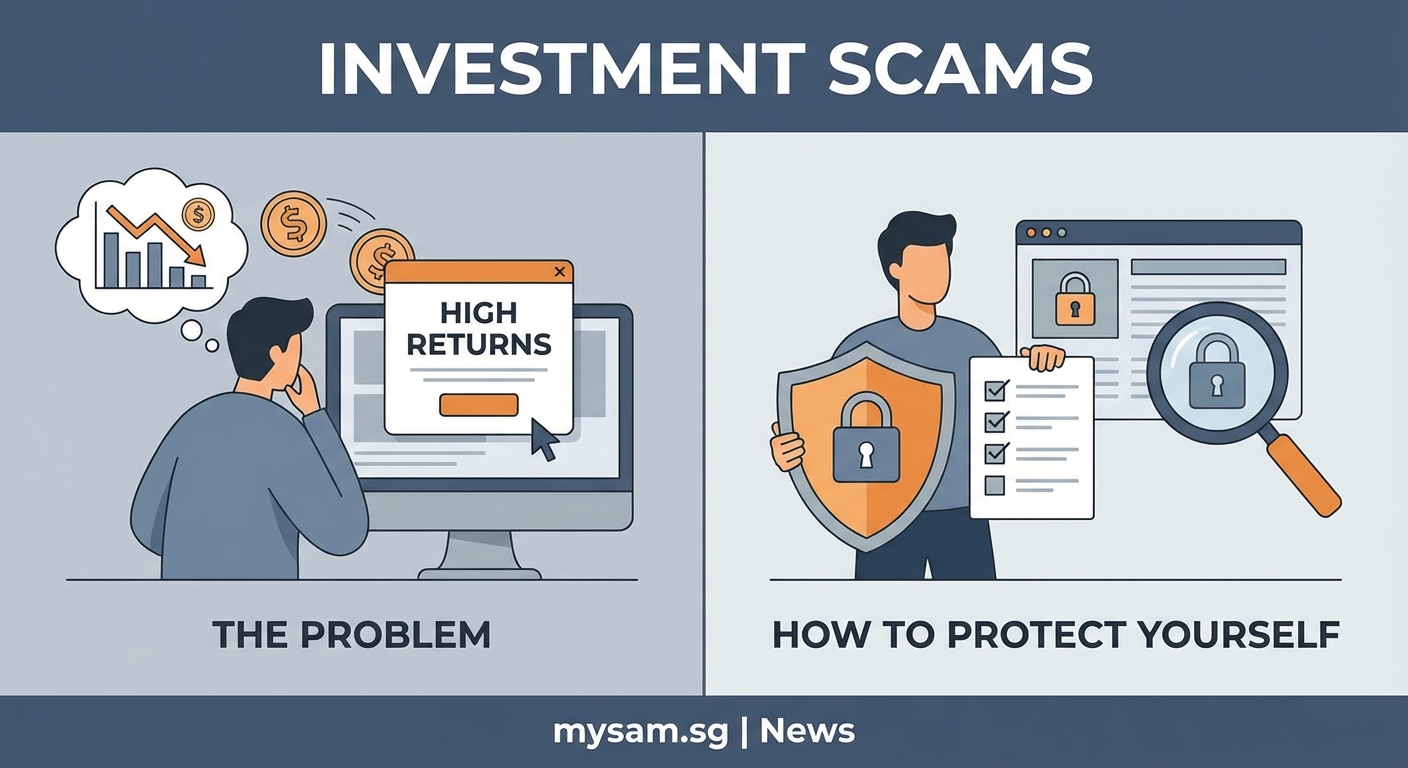
Scam prevention works best as a community effort.
Talk to elderly parents and relatives. Seniors are disproportionately targeted because scammers assume they have savings and less digital literacy. Walk them through verification steps and offer to review opportunities together.
Discuss scams with your children. Even teenagers get targeted with investment schemes promising easy money. Teaching critical thinking about financial offers is as important as teaching them to save.
Share warnings in family chat groups. When you hear about a new scam tactic, pass it along. One message could save a relative thousands of dollars.
Challenge friends who promote suspicious opportunities. If someone you know is posting about an investment that raises red flags, privately ask them about it. They might be a victim without realizing it yet.
Support scam awareness campaigns. Organizations like the National Crime Prevention Council run education programs. Sharing their materials amplifies the message.
Your money deserves better protection
Investment scams in Singapore will keep evolving because the rewards for criminals are too high. But you’re not helpless. Every verification step you take, every suspicious offer you decline, and every warning you share with others strengthens the community’s defense.
The best investment you can make is in your own financial education. Understanding how legitimate investments work makes spotting fakes much easier. When something sounds too good to be true, trust that instinct. Your financial security depends on healthy skepticism and careful verification. Take the time to check credentials, ask hard questions, and walk away from pressure. Your future self will thank you.