
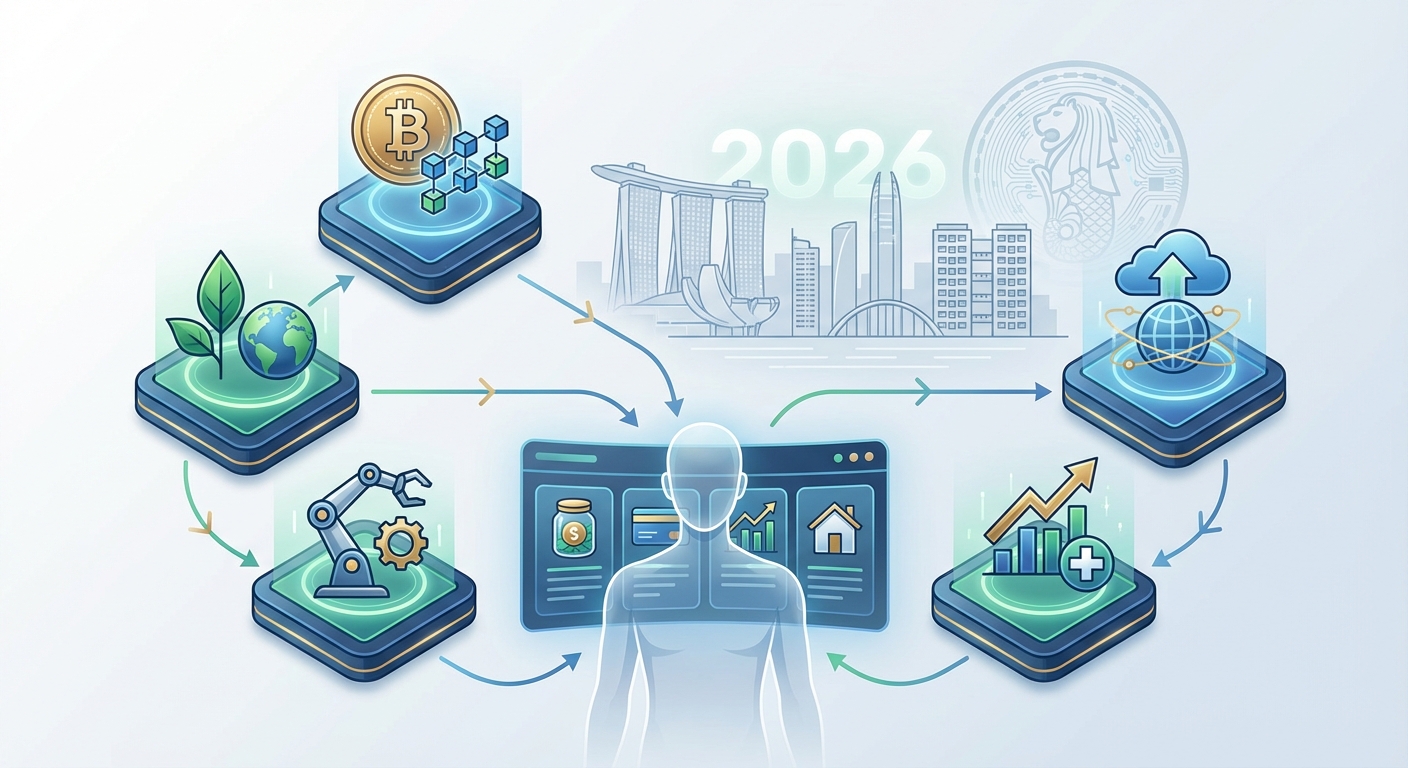
Singapore’s economic landscape shifted dramatically over the past year. Interest rates climbed to levels not seen in over a decade. Inflation squeezed household budgets. Digital payment systems became even more embedded in daily life. These changes aren’t just headlines. They directly affect how you save, spend, and invest your money right now.
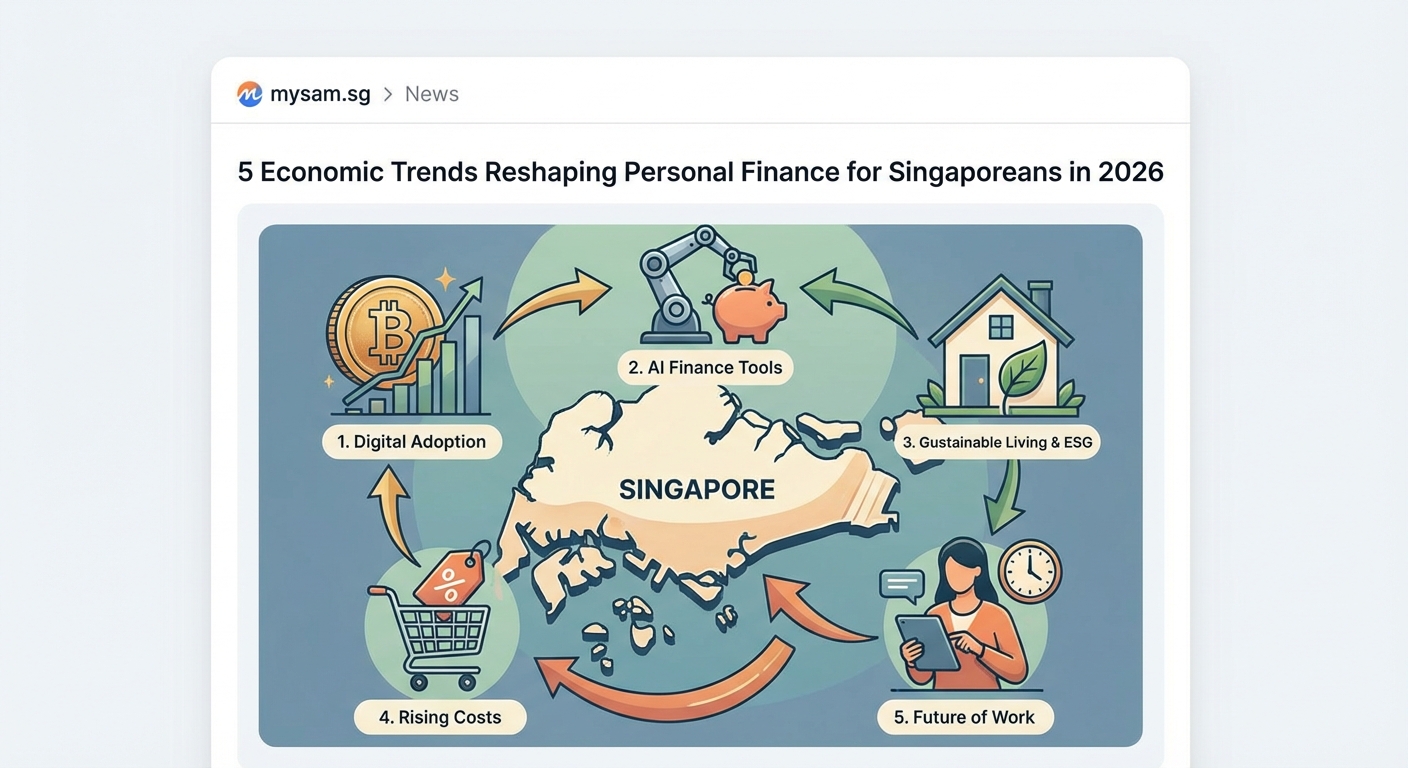
Financial trends Singapore 2024 include higher interest rates, persistent inflation, digital finance growth, workplace flexibility changes, and sustainability focus. Understanding these shifts helps you adjust your budget, savings strategy, and investment choices to protect and grow your wealth in the current environment. Apply practical steps now to stay ahead.
Higher interest rates are changing the savings game
The Monetary Authority of Singapore tightened policy multiple times since 2022. By 2024, interest rates remained elevated compared to the previous decade.
This matters for your cash.
Savings accounts and fixed deposits now offer better returns. Banks compete harder for deposits. You can earn 3% to 4% on certain savings accounts with conditions like minimum spend or salary crediting.
But higher rates also mean borrowing costs more. Home loans, personal loans, and credit card debt carry steeper interest charges.
Here’s what to do:
- Review your savings accounts and move idle cash to higher-yield options.
- Pay down high-interest debt first, especially credit cards charging 25% or more annually.
- Lock in fixed deposit rates if you have cash you won’t need for six to twelve months.
Many Singaporeans still keep too much money in low-interest accounts. A family with $50,000 in a 0.05% account earns just $25 a year. Move that to a 3% account and you earn $1,500. That’s a $1,475 difference for doing nothing but switching banks.
“Interest rates are the price of money. When rates rise, savers win and borrowers lose. Adjust your strategy accordingly.”
Inflation continues to pressure household budgets
Singapore’s inflation rate moderated from 2023 peaks but remained above historical averages in 2024. Food, transport, and utilities cost more than two years ago.
Real wages grew slower than prices for many workers. This eroded purchasing power.
You feel this at the hawker centre, the petrol pump, and the supermarket.
Here’s how inflation affects your financial planning:
- Your emergency fund needs to be larger to cover the same number of months of expenses.
- Investment returns must beat inflation or your wealth shrinks in real terms.
- Fixed-income investments like bonds may not keep pace with rising prices.
Singaporeans responded by cutting discretionary spending. Staycations replaced overseas trips. Home cooking increased. Brand switching became common.
But cutting spending alone isn’t enough. You also need to grow income and invest smarter.
Consider these moves:
- Negotiate a raise or seek higher-paying roles to match inflation.
- Invest in assets that historically outpace inflation, like equities or real estate.
- Use CPF wisely since contributions grow tax-free and earn competitive rates.
The CPF Ordinary Account earns 2.5%, while the Special and MediSave Accounts earn 4%. These rates beat many bank deposits and come with government backing.
Digital finance tools are reshaping money management
PayNow, GrabPay, Shopee Pay, and other digital wallets became ubiquitous. Contactless payments replaced cash for most transactions.
This shift brings convenience but also new challenges.
Digital spending feels less painful than handing over physical cash. Studies show people spend 12% to 18% more when using cards or apps compared to cash.
Subscription services multiply. A $10 monthly app here, a $15 streaming service there. These small charges add up fast. Many Singaporeans discover they’re paying for services they forgot about.
Track your digital spending carefully. Use these tools:
- Banking apps that categorize transactions automatically.
- Budgeting apps like Seedly or homegrown spreadsheets.
- Monthly reviews of credit card and bank statements.
Set up alerts for large transactions. Most banks let you receive SMS or push notifications when spending exceeds a threshold.
Digital finance also opened new investment opportunities. Robo-advisors, fractional shares, and cryptocurrency platforms became accessible.
But accessibility doesn’t mean suitability. Many new investors jumped into volatile assets without understanding risks.
| Investment Type | Accessibility | Risk Level | Suitable For |
|---|---|---|---|
| Robo-advisors | High | Medium | Hands-off investors |
| Fractional shares | High | Medium to High | Small capital investors |
| Cryptocurrency | High | Very High | Risk-tolerant speculators |
| Fixed deposits | High | Low | Conservative savers |
Choose investments based on your risk tolerance, time horizon, and financial goals. Not every trendy option fits your situation.
Workplace flexibility is changing income patterns
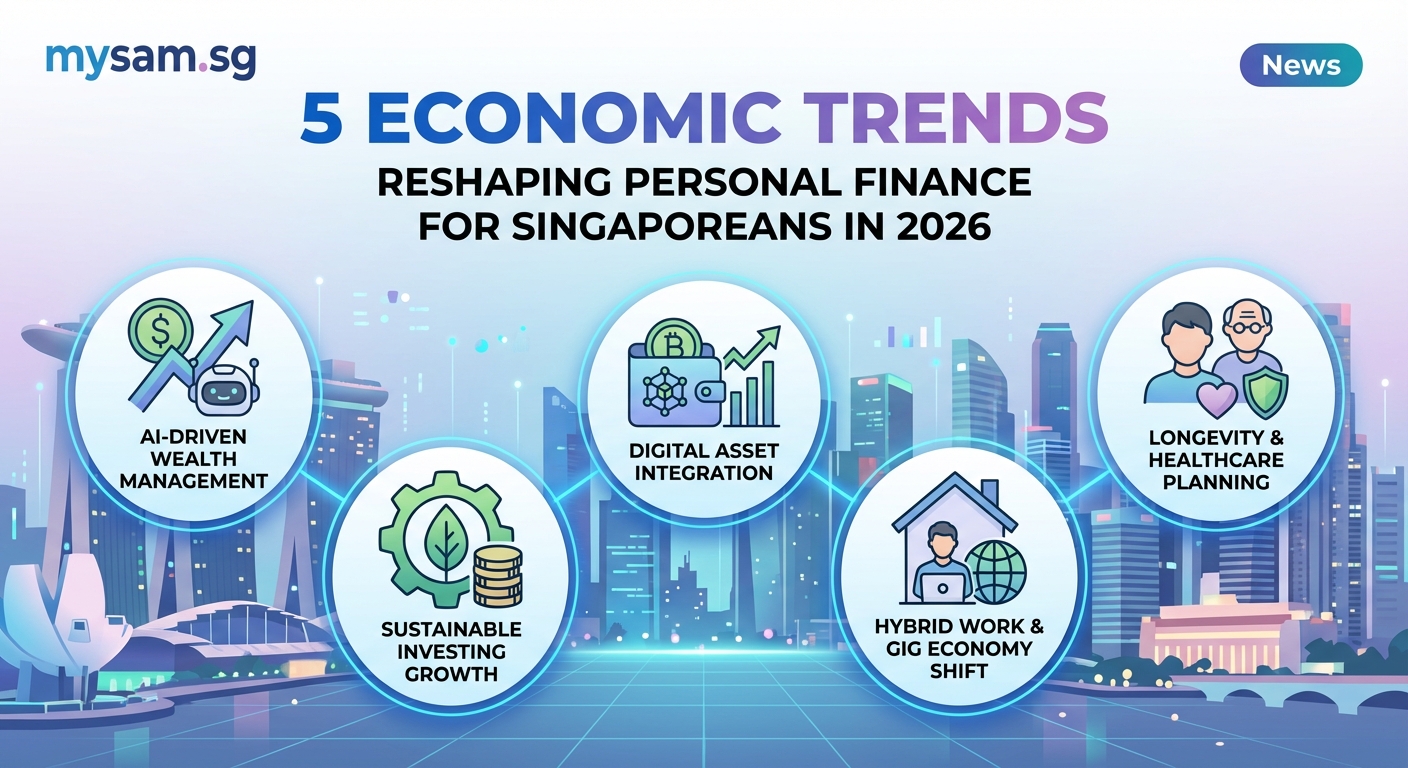
Hybrid work became permanent for many companies. Freelancing and gig work expanded. Multiple income streams became more common.
This flexibility offers opportunities but also creates planning challenges.
Freelancers and gig workers face irregular income. Some months bring plenty, others less. Traditional budgeting methods struggle with this variability.
Here’s how to manage irregular income:
- Calculate your average monthly income over six to twelve months.
- Budget based on your lowest earning month to build a buffer.
- Save windfall months aggressively to cover lean periods.
Side hustles became mainstream. A marketing executive might freelance on weekends. A teacher might tutor privately. A designer might sell digital products online.
Extra income helps combat inflation and accelerate savings goals. But it also complicates tax filing and requires careful record-keeping.
Set aside 15% to 20% of side income for taxes. IRAS expects accurate reporting of all income sources.
Career changes accelerated too. Professionals switched industries more frequently. Mid-career switches into tech, healthcare, and sustainability fields increased.
Retraining costs money but can pay off through higher lifetime earnings. Government schemes like SkillsFuture credits help offset costs.
Sustainability and ESG investing gained momentum
Environmental, social, and governance factors moved from niche to mainstream. More Singaporeans want their investments to align with their values.
Green bonds, ESG funds, and sustainable investment products multiplied. Banks and wealth managers responded to demand.
But greenwashing remains a concern. Not every product labeled “sustainable” truly is.
Look for these signs of genuine ESG commitment:
- Third-party certifications and ratings.
- Clear reporting on environmental and social impact.
- Alignment with recognized frameworks like UN Sustainable Development Goals.
Sustainable living also affects personal finance. Solar panels, electric vehicles, and energy-efficient appliances require upfront investment but reduce long-term costs.
The government supports these choices through grants and rebates. The Enhanced Central Provident Fund Housing Grant and other schemes help offset costs.
Younger Singaporeans especially prioritize sustainability. They choose brands and employers based on environmental practices. This generational shift will reshape markets over coming decades.
Your investment portfolio can reflect these values without sacrificing returns. Many ESG funds perform competitively with traditional funds.
Practical steps to adapt your financial plan
Understanding trends matters only if you act on them. Here’s your action plan:
For savers:
- Compare savings account rates quarterly and switch if better options emerge.
- Maximize CPF contributions if you’re self-employed.
- Build an emergency fund covering six to nine months of expenses given economic uncertainty.
For investors:
- Rebalance your portfolio to reflect current interest rate environment.
- Consider adding inflation-protected assets like Treasury Inflation-Protected Securities or real estate investment trusts.
- Avoid chasing hot trends without understanding fundamentals.
For borrowers:
- Refinance high-interest loans if you qualify for better rates.
- Avoid new debt unless absolutely necessary.
- Pay more than minimum payments on credit cards to reduce interest charges.
For earners:
- Invest in skills that increase your market value.
- Build multiple income streams to reduce reliance on single employer.
- Negotiate salary reviews regularly to keep pace with inflation.
Common mistakes to avoid in 2024
Even informed Singaporeans make these errors:
| Mistake | Why It Hurts | Better Approach |
|---|---|---|
| Keeping too much in low-yield accounts | Inflation erodes value | Move to higher-yield options |
| Ignoring interest rate changes | Miss savings opportunities or pay more on loans | Review rates quarterly |
| Overinvesting in single asset class | Concentration risk | Maintain diversified portfolio |
| Neglecting insurance review | Coverage gaps or overpaying | Annual policy review |
| Failing to track digital spending | Budget overruns | Use tracking apps |
Insurance deserves special attention. Your coverage needs change as life evolves. Marriage, children, property purchase, and career changes all affect how much and what type of insurance you need.
Review policies annually. Check if coverage amounts still match your situation. Compare premiums across insurers since prices vary significantly.
Many Singaporeans over-insure in some areas and under-insure in others. Life insurance might be adequate but critical illness coverage insufficient. Or they carry comprehensive car insurance on an old vehicle where third-party coverage would suffice.
How government policies support your financial health
Singapore’s government introduced multiple measures to help citizens cope with economic changes.
The Assurance Package provided cash payouts and vouchers. GST Voucher schemes continued. MediSave top-ups helped with healthcare costs.
CPF changes in recent years improved retirement adequacy. The Basic Retirement Sum increased to ensure minimum retirement income. Voluntary contribution limits expanded for those wanting to save more.
The Supplementary Retirement Scheme offers tax relief for additional retirement savings. Contributions reduce taxable income up to $15,300 annually for Singapore citizens and permanent residents.
Understanding these schemes helps you maximize benefits. Many Singaporeans leave money on the table by not fully utilizing available programs.
Property cooling measures also affect financial planning. Additional Buyer’s Stamp Duty, Total Debt Servicing Ratio, and Loan-to-Value limits shape housing affordability and investment returns.
If you’re planning property purchases, factor in these regulations. They change periodically based on market conditions.
Making your money work harder in the current environment
The financial trends Singapore 2024 brings create both challenges and opportunities.
Higher interest rates reward savers who shop around. Inflation punishes those who don’t invest or grow income. Digital tools offer convenience but require discipline. Workplace changes enable flexibility but demand better planning.
Your response determines outcomes.
Start with one area. Maybe that’s moving your savings to a better account. Or setting up automatic budget tracking. Or reviewing your investment allocation.
Small changes compound over time. A family that improves their savings rate by just 2% of income will accumulate tens of thousands more over a decade.
The key is starting now rather than waiting for perfect conditions. Economic environments constantly shift. Those who adapt quickly protect and grow their wealth better than those who delay.
Singapore’s strong fundamentals, stable government, and robust financial system provide a solid foundation. Your personal financial success depends on how you respond to the trends reshaping our economy.
Take control of your money. Understand the forces at work. Make informed decisions. Your future self will thank you.